
A practical guide written from the perspective of an Operating Room Nurse.
Surgical Knot Tying
Introduction
Every surgical procedure relies on secure and consistent knot tying. Whether ligating a blood vessel, closing fascia, or approximating skin edges, the quality of a surgical knot directly affects hemostasis, wound healing, and patient safety.
For operating room nurses, understanding knot-tying techniques is just as important as recognizing surgical instruments or assisting with tissue handling. A well-prepared scrub nurse anticipates the surgeon’s preferred knot, suture material, and tying method, helping maintain an efficient and safe operative field.
This guide introduces the fundamental principles of surgical knot tying and serves as the central reference for the OR Procedure Note Knot Series. The practical techniques described are based on the uploaded educational material, including Two-Hand Tie, Three-Finger Tie, Surgeon’s Knot, One-Hand Tie, and One-Finger Tie.
Why Surgical Knots Matter

A secure surgical knot must
- Maintain tissue approximation
- Prevent vessel bleeding
- Resist slippage
- Minimize tissue trauma
Poor knot security may lead to
- Bleeding
- Wound dehiscence
- Anastomotic leakage
- Infection
- Reoperation
Basic Principles
Every surgical knot should be
✔ Flat
✔ Symmetrical
✔ Tight enough to approximate tissue
✔ Not excessively tight
✔ Consistent
Factors Affecting Knot Security
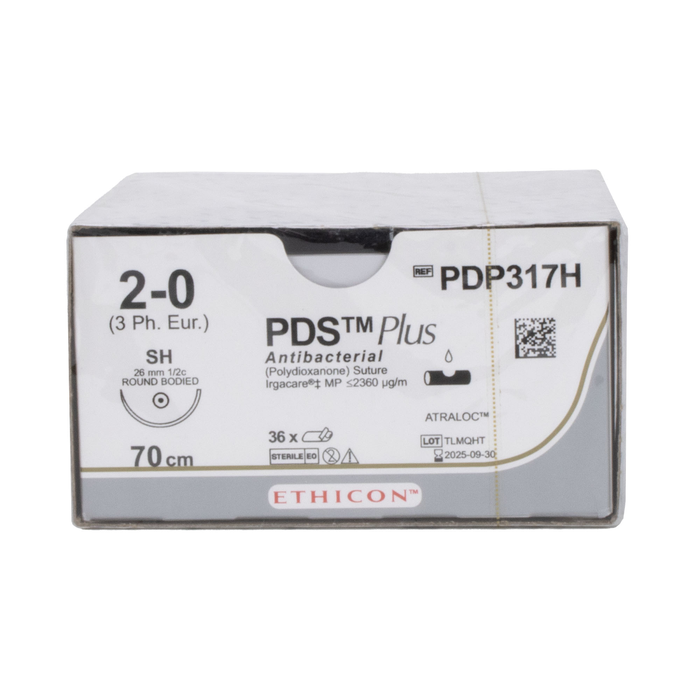
- Suture material
- Monofilament vs Polyfilament
- Knot configuration
- Number of throws
- Tissue tension
- Moisture


Types of Surgical Knots
Two-Hand Tie
The most stable and traditional method.
Recommended for beginners.
→ Read: Two-Hand Tie Guide


Three-Finger Tie
Used for deep operative fields.
Allows ligation where direct finger access is limited.
→ Read: Three-Finger Tie Guide


Surgeon’s Knot
Provides additional friction.
Useful under tension.
Often used with monofilament sutures.
→ Read: Surgeon’s Knot Guide


One-Hand Tie
Common during continuous suturing.
Fast and efficient.
→ Read: One-Hand Tie Guide

One-Finger Tie
Allows knot advancement using the index finger.
Useful in confined spaces.
→ Read: One-Finger Tie Guide

Choosing the Right Knot
| Situation | Preferred Knot |
|---|---|
| Routine vessel ligation | Two-Hand Tie |
| Deep cavity | Three-Finger Tie |
| High tissue tension | Surgeon’s Knot |
| Continuous closure | One-Hand Tie |
| Limited working space | One-Finger Tie |
Common Mistakes
- Crossing the knot
- Unequal tension
- Pulling upward
- Insufficient throws
- Excessive force
- Twisted knot
OR Nurse Pearls
✔ Prepare the correct suture.
✔ Anticipate the surgeon’s preferred tying method.
✔ Keep sutures untangled.
✔ Avoid contamination.
✔ Understand monofilament vs braided handling.
Related Articles
- Two-Hand Tie
- Three-Finger Tie
- Surgeon’s Knot
- One-Hand Tie
- One-Finger Tie